Overactive bladders – what you need to know
Incontinence Advice

In Ihrem Warenkorb:
Es befinden sich noch keine Artikel in Ihrem Warenkorb.
Quantity: ZULETZT HINZUGEFÜGTE ARTIKEL Artikel gesamt: Summe: Zum WarenkorbWe help you
In our FAQ you will find answers to the most frequently asked questions. Here you can also find out the easiest way to contact us.
Customer serviceIncontinence Advice
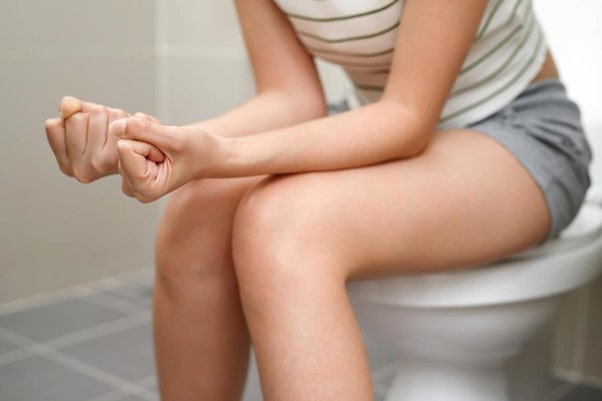
Are you finding yourself rushing to the toilet owing to a sudden urge to urinate, only to leak before you get there? You are likely experiencing what’s known as urge incontinence. This urgency can be quite difficult to control. Not to mention it can make typical day to day activities such as going out, travelling or getting a good night’s sleep feel like a hassle.
The good news is that MoliCare® has a wide range of incontinence products designed to help manage leakage ranging from discreet pads and pants to higher-absorbency options for heavier leakage and overnight use. This quick guide looks into how you can manage urge incontinence with the right MoliCare® incontinence protection options.

Urge incontinence causes a sudden need to urinate that may lead to leakage before you even reach the toilet.
Triggers such as certain drinks and food may contribute to urgency.
Bladder training and pelvic floor exercises can improve bladder control and give you more confidence when managing urgency and leakage.
The right MoliCare® protection to manage Urge incontinence depends on factors like the amount of leakage, how active you are and whether you need protection during the day or overnight.
Make sure you speak to a GP about new, persistent or worsening symptoms, more so when leakage is affecting your everyday life.
Managing Urge Incontinence with MoliCare
Urge incontinence is essentially urine leakage that happens after a sudden, strong need to urinate. You will typically struggle to hold back. Naturally this leaves you with only a short time to reach the toilet. In some cases you might notice that you urinate more often than usual, especially at night.
Most people tend to confuse this type of incontinence with stress incontinence. The key difference lies in what triggers the leakage. With the former, leakage follows a strong urge to urinate. With stress incontinence, urine may leak when pressure is placed on the bladder. It will pop when you cough, sneeze, laugh, exercise or do some heavy lifting. Some people experience mixed urinary incontinence - a combination of the two.
You can check this NHS guide to urinary incontinence symptoms which explains the different types of urinary incontinence, including urge, stress and mixed incontinence
The best place to start in getting back urine control is to get to the bottom of the triggers. This way you can find bespoke solutions to get back more control when the feeling comes on. The root cause is likely overactive bladder which is associated with risk factors such as aging, being overweight, the food you eat, constipation, urinary tract infections and some neurological conditions.
You could try pelvic floor exercises, bladder training and keeping an eye on common triggers such as caffeine and certain drinks. These simple changes may help you manage urgency and feel more in control when the urge comes on.
Check out our guides on bladder training and pelvic floor exercises which are good at helping to gradually ramp up the time between toilet visits. It is also advisable to make some tweaks on your daily habits like reducing food and drinks like caffeine and alcohol which are known to trigger more urgency.
That said, even with good bladder habits and management techniques, unexpected leakage can still happen!
This is where MoliCare® comes in handy to give you the right suitable protection to add that extra layer of reassurance when you are away from home or during the night.
Before we tell you more about the different MoliCare® options, there are a few things worth keeping in mind when choosing the right protection for your needs. It is not simply about choosing the most absorbent product.
You ought to think about how much you leak, when leakage tends to happen and what feels comfortable for you.
Here are the main factors to keep an eye on:
Amount and frequency of leakage: Occasional, lighter leaks may call for less protection than frequent or heavier leakage.
Daytime or overnight use: You may prefer discreet protection during the day and a higher-absorbency option when sleeping.
Preferred style: Pads, pants and other protection formats give you different ways to manage leakage. It is best to go for protection that feels comfortable and fits naturally into your routine.
Absorbency: Pick the incontinence protection that matches the amount of urine you typically lose. It isn’t always about going for the highest absorbency.
Fit and comfort: Protection should fit securely and stay in place without making you feel restricted as you move around.
MoliCare® has products that give men different options for managing urinary leakage based on how much protection you need and how you prefer to wear it. 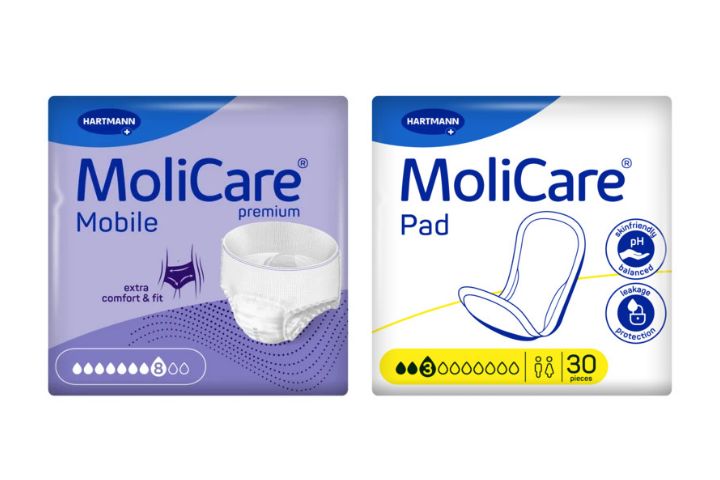
You can choose from discreet pad-style protection worn inside your usual underwear or underwear-style pants that provide more coverage.
MoliCare® Premium Men Pads are best suited for men who experience light to moderate urinary leakage and prefer to continue wearing their usual underwear.
A pad can be a good choice when you want a discreet option without changing from your usual underwear. The pads are shaped specifically for the male anatomy as they are crafted to sit comfortably inside your underwear.
They are made with different absorbency levels in mind. So, you can choose protection according to the amount of leakage you typically experience.
You could go for an option like MoliCare® Premium MEN Pad 4 Drops if you moderate bladder weakness.
MoliCare® Premium Men Pants are pull-up pants designed for men who prefer the feel and coverage of underwear-style protection. You can go for this option if you want protection that goes on and comes off like regular underwear.The choice between pads and pants is all about the level of protection you need coupled with your taste and preference.
In general, pads may suit you if you prefer your usual underwear and lighter, targeted protection, while pants may feel more familiar if you prefer an all-in-one underwear-style option with more coverage.
MoliCare® also has products tailored for women, with different options depending on how much leakage you experience and how you prefer to manage it. 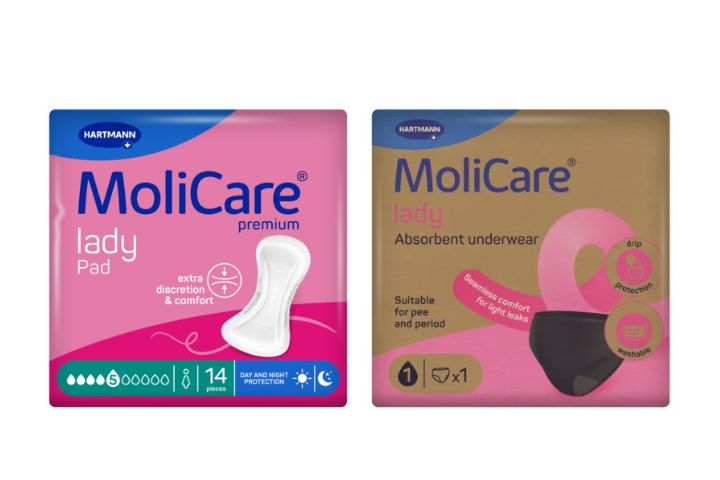
You can choose from discreet pad-style protection that fits inside your usual underwear or underwear-style pants when you prefer greater coverage.
MoliCare® Premium Lady Pads
MoliCare® Premium Lady Pads are suited for women who want discreet protection while continuing to wear their usual underwear. The range is available in different absorbency levels, from 1 to 5 drops. You can thus pick the protection that matches the amount of leakage you experience.
For occasional or lighter leakage, a lower-absorbency pad like MoliCare® Premium Lady Pad 2 Drops may get the job done. A higher-absorbency option may be best fit when leakage is more frequent or you need greater protection during the day.
Remember the key is to find a pad that feels secure without adding unnecessary bulk.
There are MoliCare® Premium Lady Pants meant for women who prefer underwear-style protection or want more coverage than a pad provides. They are designed to pull on like regular underwear. These Lady Pants range is available in 5 and 7 drop absorbency levels, giving you options when you need more protection.
The choice between pads and pants comes down to what works best for you. Pads can be a simple, discreet option when you want to keep wearing your own underwear, while pants provide a more all-around fit and may feel more familiar if you prefer underwear-style protection.
Pick a comfy fit either way, particularly when you are wearing protection for several hours at a time.
Managing unexpected leaks is only part of good continence care. You also need to think about what happens to your skin when it is repeatedly exposed to urine and moisture.
Frequent leakage can leave the skin around the intimate area damp for longer periods. This can weaken its natural protective barrier. The result is skin that's more vulnerable to irritation, friction and damage. Over time, this can lead to incontinence-associated dermatitis (IAD), a type of skin irritation caused by prolonged contact with urine or faeces.
To learn more about the causes, symptoms and ways to protect your skin, read our guide to incontinence-associated dermatitis (IAD).
The MoliCare® Skin care range has a range of products to support skin care as part of the complete continence-care routine.
Here are some of the products you can use for cleansing and protecting sensitive skin as you manage urge incontinence:
MoliCare® Skin Cleansing Foam is designed for gentle cleansing of the genital and perineal area and is particularly suited to cleansing after episodes of faecal incontinence.
MoliCare® Skin Barrier Cream forms a transparent protective film on the skin while remaining compatible with absorbent incontinence products.
MoliCare® Skin Zinc Oxide Cream contains 20% zinc oxide and is designed to provide skin protection as part of incontinence care.
MoliCare® Skin 3in1 Wet Wipes provide a convenient option when you need to cleanse, protect and moisturise the skin, including when you are away from home.
Tip: You don’t necessarily need every product in the range. Just pick products according to your skin's needs and your usual continence-care routine. The key is to avoid leaving the skin exposed to moisture for longer than necessary. Also, treat persistent soreness or broken skin seriously.
There is no single MoliCare® product that suits everyone. It all depends on the amount of leakage you experience, how you prefer to wear your protection and whether you need it during the day, overnight or both. MoliCare® products are available in different formats and absorbency levels to suit different continence needs.
| Your preference or need | MoliCare® solution |
|---|---|
| Discreet pad-style protection for men | MoliCare® Premium Men Pads |
| Underwear-style protection for men | MoliCare® Premium Men Pants |
| Discreet pad-style protection for women | MoliCare® Premium Lady Pads |
| Underwear-style protection for women | MoliCare® Premium Lady Pants |
| Cleansing and skin protection | MoliCare® Skin |
Tip: Use the drop rating as a guide when comparing absorbency. Think about the way the product fits and how much leakage you typically experience. Remember that a higher absorbency is not automatically the right choice for everyone!
Urge incontinence is common, but regular or new bladder symptoms are worth discussing with a GP. In fact, getting proper medical advice will help spot the underlying issue causing the urgency and leakage including whether you need treatment or further tests.
So, speak to your GP if:
Your symptoms are persistent or getting worse: Don’t accept frequent urination or leakage as simply being a part of getting older.
You have pain or discomfort: Pain when passing urine, bladder pain or discomfort in your lower abdomen or back should be assessed urgently.
You notice blood in your urine: Blood in your urine should always be checked by a healthcare professional. Talk to a doctor even when there is only a small amount or it happens once.
Your bladder habits suddenly change: A new increase in urgency, frequency, difficulty emptying your bladder or other changes in how you pass urine may require further medical evaluation.
Your symptoms are affecting everyday life: Speak to your GP when urgency or leakage is making it difficult to sleep, work, travel, exercise or take part in activities you enjoy.
You are worried about an underlying condition: Urge incontinence can have different causes, including bladder problems, urinary tract infections, constipation, neurological conditions and certain medicines. A healthcare professional can therefore assess your symptoms and decide whether further investigation is needed.
In a nutshell, urge incontinence shouldn’t be a headache. You aren’t alone and mind you there are several ways to manage this including seeking the right medical treatment and finding suitable incontinence protection. MoliCare® has many incontinence protection options for men and women, ranging from discreet pads and underwear-style pants to higher-absorbency protection for heavier leakage and overnight use.
Ready to feel more in control? Explore the MoliCare® range for solutions designed to help manage urge incontinence.
What are the symptoms of urge incontinence?
Urge incontinence usually involves a sudden, strong need to urinate that is difficult to delay. You may have only a short time to reach the toilet yet you might even leak urine before getting there. You may also need to urinate more often than usual.
What is the difference between urge and stress incontinence?
The main difference is what triggers the leakage. Urge incontinence happens when urine leaks following a sudden, intense urge to urinate. Stress incontinence happens when pressure is placed on the bladder. It can happen whenever you cough, sneeze, laugh, exercise or lift something.
Can urge incontinence be treated with medication?
Medication is one possible treatment for some people with urge incontinence, particularly when approaches such as bladder training aren’t effective. The right option depends on your symptoms, other health conditions and any medicines you already take. This is why any treatment should be discussed with a GP or other qualified healthcare professional.
What is mixed incontinence?
Mixed incontinence means experiencing symptoms of more than one type of urinary incontinence. The most common combination is urge and stress incontinence. You might leak when coughing or sneezing while also experiencing sudden, difficult-to-control urges to urinate.