Pelvic floor and Kegel exercises for women
Active living

In Ihrem Warenkorb:
Es befinden sich noch keine Artikel in Ihrem Warenkorb.
Quantity: ZULETZT HINZUGEFÜGTE ARTIKEL Artikel gesamt: Summe: Zum WarenkorbWe help you
In our FAQ you will find answers to the most frequently asked questions. Here you can also find out the easiest way to contact us.
Customer serviceActive living
Urinary Incontinence shouldn't stop you from living your life to the fullest. It doesn't have to. You can manage bladder weakness and leaks better when you know what to expect so that you can plan ahead.
In this quick guide, we’ll share simple ways to manage leakage as you stay active, independent and confident. We’ll tell you about some practical tips that can make everyday activities feel more comfortable and manageable coupled with some of the incontinence protection you can use.

Incontinence does not necessarily mean giving up exercise or other activities you enjoy.
Physical activity can make leakage more noticeable for some people, particularly during activities involving increased physical pressure.
Planning ahead for toilets, protection, spare clothing and changing can make time away from home easier to manage.
Comfortable, appropriately fitting protection can help support confidence and discretion during everyday activities.
Skin comfort and changing protection when necessary are important considerations when staying active.
Incontinence that is persistent or troublesome should be discussed with an appropriate healthcare professional.
Managing Incontinence & Staying Active with MoliCare®
Urine leakage can happen as you engage in physical activities such as running, lifting weights or other higher-impact exercise. This is what’s otherwise known as Stress Urinary Incontinence (SUI). It typically happens when physical activity puts extra pressure on the bladder, particularly when the pelvic floor is not able to manage the added pressure effectively.
Normally, when the bladder fills, the urethral sphincter and pelvic floor muscles help keep the urethra closed. As you exercise the intra-abdominal pressure increases which is transferred towards the pelvic floor. Leakage can thus occur when the pressure placed on the pelvic floor becomes greater than the support it can provide.
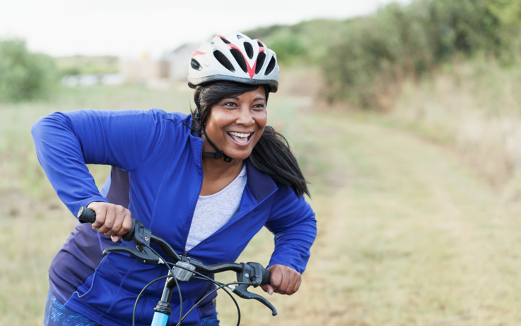
However, having urinary incontinence does not mean you have to give up those activities you love. You can still exercise, go to work, travel, spend time with friends and do pretty much anything physically!
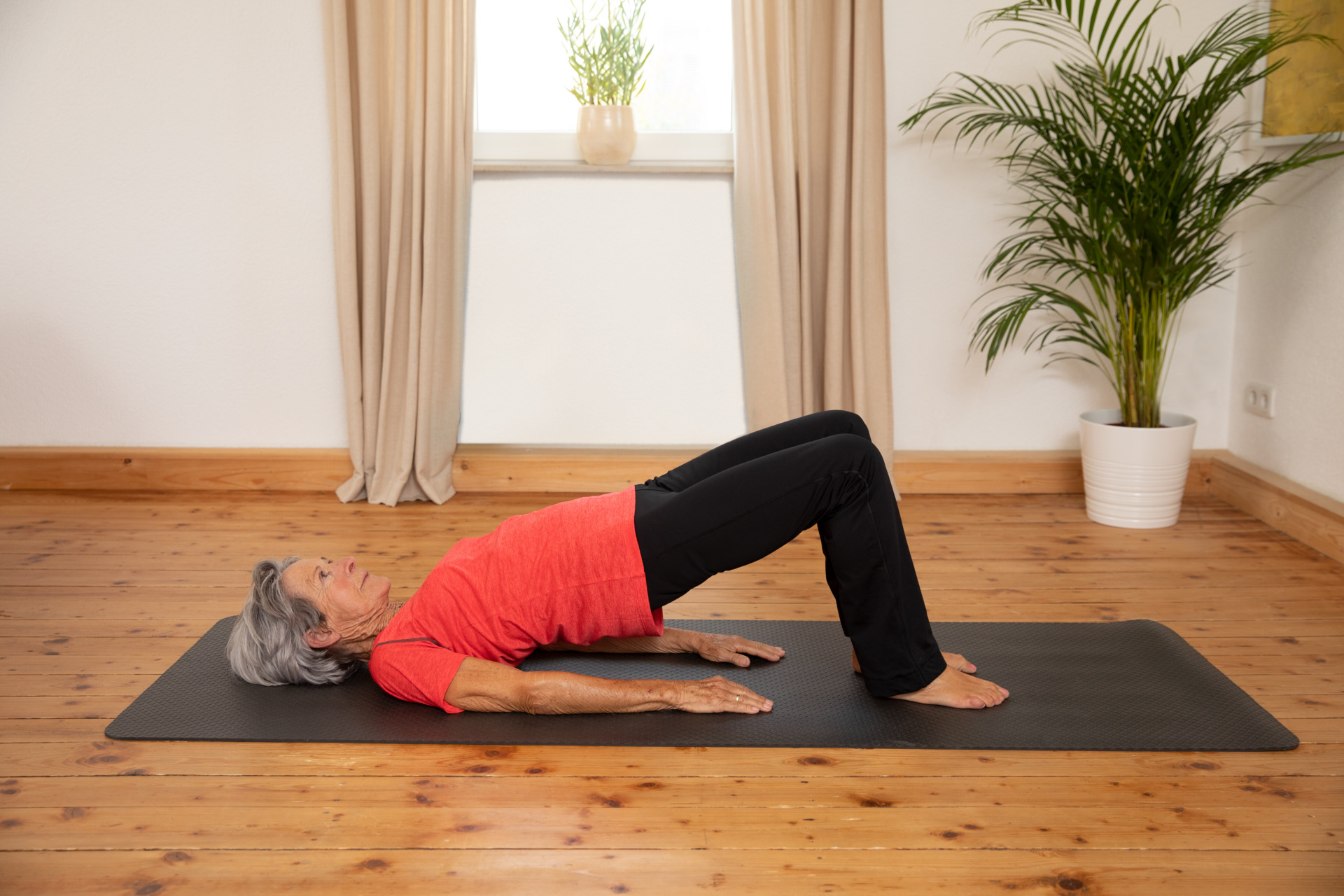
Pelvic-floor muscle exercises may help improve bladder control and support people experiencing urinary incontinence. HARTMANN has practical pelvic-floor exercise guides for both men and women, with exercises you can follow as part of your routine.
Choose the guide that's right for you below to explore exercises designed to help strengthen the pelvic floor and support bladder control.

Strengthen bladder control with these simple pelvic-floor exercises.

Improve control and confidence with these effective pelvic-floor exercises.
There is always that worry of experiencing a leak while you're out. It might be the reason why you avoid staying active altogether. Don’t fret, though. With the right planning and proper continence care products you can manage the leaks and live your life to the fullest.
For instance, if you are working, you can pay attention to when you tend to experience urgency or leakage. You can then make bathroom breaks part of your routine. It helps if you can know where the nearest toilets are. This will come in handy if you're working somewhere unfamiliar. If you will be sitting for long periods at work, it is advisable to get up and move regularly.
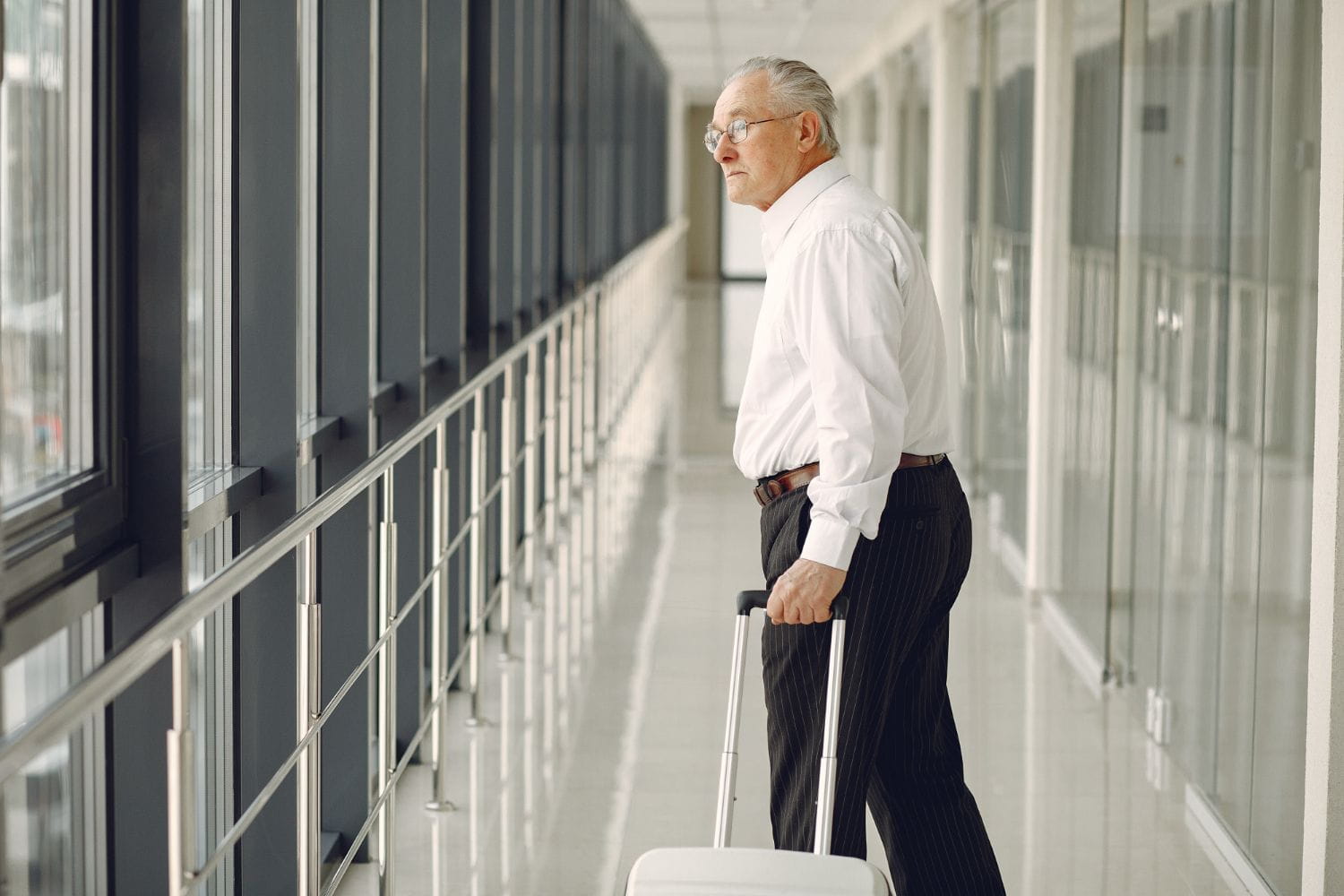
In case you are commuting or travelling, you can plan for your journey even before you even set off. Give yourself enough time to avoid rushing and carry the protection you might need in an easily accessible bag.
A small “just-in-case” kit could include:
Continence care products such as MoliCare® incontinence products suited to the level of urine leakage you are experiencing
Spare underwear which might be useful if a leak soaks through clothing
A spare pair of trousers, skirt or other outer clothing for longer journeys or days away from home
Tissues or unscented wipes for freshening up after a leak
A small waterproof or sealable bag for storing damp clothing until you can get home or wash it
A hand sanitiser you can use when you're somewhere with limited washing facilities
Tip: Try not to drastically reduce your fluid intake simply because you're worried about needing the toilet. In fact, being adequately hydrated is still vital albeit steer away from any drinks or food that seem to make your symptoms worse.
If exercise is a core part of how you stay active, here are a few tips to help you focus less on your bladder and more on the exercise:
Think about the activity first: Running, lifting and other higher-impact activities can make urine leakage more noticeable. So, think about the intensity and duration of your workout as you prepare to step out
Pack a change of clothes: A spare pair of underwear or clothing can be useful if a leak does occur when you're exercising away from home
Plan your toilet access: Check where the nearest toilets are, especially if you're trying a new physical activity or going somewhere unfamiliar. Using the toilet before exercising may also help you feel more comfortable
Carry spare protection: If you're going to be active for a longer period, it will help you have some spare protection. It will provide extra reassurance and make changing easier if needed.
Try Pelvic-floor muscle exercises are an established approach that may help with urinary incontinence. If you're unsure whether they're suitable for you, a healthcare professional can offer guidance

In general, these simple checks before leaving home will make it easier to manage urine leaks, whether you're heading to the gym, commuting to work, travelling or meeting friends and the likes:
Have I packed the protection I need?
Do I have spare underwear or clothing if required?
Do I know where I can access a toilet?
Do I have what I need for discreet change?
Have I packed suitable hygiene supplies?
Have I considered how long I will be away from home?
Have I planned for the specific activity I'll be doing?
The right incontinence protection should ideally suit your level of leakage, the activity you're doing and how long you'll be away from home. A comfortable fit is equally important when you're moving around.
There are also aspects like discretion and the ease of changing which will make protection easier to manage at work, while travelling or during social activities.
For occasional or light leaks, a discreet MoliCare® Premium MEN PadorMoliCare® Premium Lady Pad can give protection for everyday activities. They are convenient to carry as a spare when you’re out and about.
If you experience more frequent leakage, particularly during longer or more active days, MoliCare® Absorbent Underwear can give a more secure, underwear-like alternative to a conventional pad.
For heavier leakage, there are products like MoliCare® Premium Mobile Pull-Up Pants which give a greater coverage and absorbency. They are more suitable when you’ll be away from home for longer or when changing may not be immediately convenient.
| Situation | Products to Consider | Why |
|---|---|---|
| Occasional or light leaks | MoliCare® Premium MEN Pad / MoliCare® Premium Lady Pad | Discreet and convenient for everyday activities |
| You’re active and prefer an underwear-like option | MoliCare® Absorbent Underwear | Provides protection in an underwear-style design |
| You experience more frequent or heavier leakage | MoliCare® Premium Mobile Pull-Up Pants | Provides greater coverage and absorbency |
| You’ll be away from home for several hours | MoliCare® Absorbent Underwear or MoliCare® Premium Mobile Pull-Up Pants | Offers additional reassurance when changing may be less convenient |
| You use absorbent products regularly | MoliCare® skin-care products | Supports cleansing and protection of skin exposed to moisture |
| You’re unsure which level to choose | Start with the lowest suitable absorbency | Helps avoid using more protection than necessary while maintaining confidence |
You can explore pads, absorbent underwear, pull-up pants and other incontinence products designed to help you stay comfortable, active and confident throughout the day
Moisture, friction and prolonged contact with wetness will definitely make skin feel uncomfortable. It is thus good to change protection when needed and keep your skin clean and dry. Remember that taking care of the skin reduces the risk of developing conditions like incontinence-associated dermatitis (IAD).
This is simply skin irritation and inflammation caused by repeated exposure to urine or faeces. It can leave your skin red, sore, itchy, moist or damaged.
Here is a simple comfort routine that will protect your skin as you stay active:
Avoid leaving wet protection in place longer than needed.
Use a gentle cleanser to remove moisture and impurities without unnecessarily irritating the skin.
Pat the area dry rather than rubbing after cleansing or changing.
Choose protection and clothing that feel comfortable during movement and minimise rubbing during active periods.
The MoliCare® skincare range includes barrier cream for adults, zinc oxide cream and cleansers designed to help soothe, cleanse and moisturise delicate skin.
Gently cleanse the skin to remove moisture and impurities without unnecessary irritation.
Keep skin comfortable and use suitable skin-care products designed for delicate or intimate skin.
Help protect skin from moisture and friction with appropriate barrier protection and well-fitting incontinence products.
All said and done, don’t dismiss incontinence as an inevitable part of getting older. Make sure you speak to a healthcare professional in case the urine leaks you are experiencing are persistent, troublesome or starting to affect your work, exercise, social life or everyday routine.
Different forms of incontinence can have different causes and may require different approaches to management. A qualified healthcare professional will assess your symptoms to help identify if there are underlying causes and recommend appropriate support or treatment.
In a nutshell, managing incontinence does not mean giving up on your active lifestyle. You can still do what you love with the right preparation and incontinence protection that suits your needs. You can continue exercising, working, travelling and enjoying social activities with confidence.
You can find incontinence products to suit your needs, routine and level of activity.
Yes. Incontinence does not automatically mean you need to stop exercising. You can plan for the type and duration of activity, and have suitable protection with you. These can help you exercise with better confidence.
Physical activity can increase pressure around the bladder and pelvic floor, which may make leakage more noticeable. Running, lifting and other such high impact activities can trigger urine leaks.
Plan ahead by considering toilet access, how long you'll be away and when you may need to change. Carrying the right incontinence protection, clothing and suitable hygiene supplies can also make longer journeys easier to manage.
You can pack the continence care protection you need, spare underwear or clothing, hygiene supplies and anything you may need for discreet changing. What you need will depend on your needs and how long you'll be away.
Yes. Planning toilet access and keeping spare protection available can make managing leaks at work more straightforward. If possible, identify a convenient and private place where you can change when needed.