What is urge incontinence?
Incontinence Advice

In Ihrem Warenkorb:
Es befinden sich noch keine Artikel in Ihrem Warenkorb.
Quantity: ZULETZT HINZUGEFÜGTE ARTIKEL Artikel gesamt: Summe: Zum WarenkorbWe help you
In our FAQ you will find answers to the most frequently asked questions. Here you can also find out the easiest way to contact us.
Customer serviceIncontinence Advice
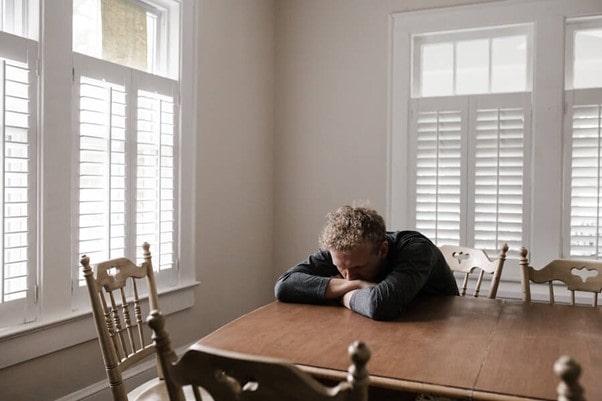
Urinary leakage isn’t necessarily caused by a physical dysfunction. There are some instances where it can be caused or aggravated by psychological reasons like high levels of stress and anxiety. This is sometimes referred to as psychological urinary disorders. Don’t worry if you are experiencing this.
In this article we’ll tell you about this and a range of solutions from medication to stress-management techniques and continence care solutions you can use for protection.

Stress, anxiety and emotional distress can contribute to urinary urgency and leakage.
Important events such as interviews, dates, travel or sporting events can cause an unexpected urge to urinate.
The brain can learn to associate arriving home or reaching the bathroom with bladder emptying, triggering an urgent need to urinate.
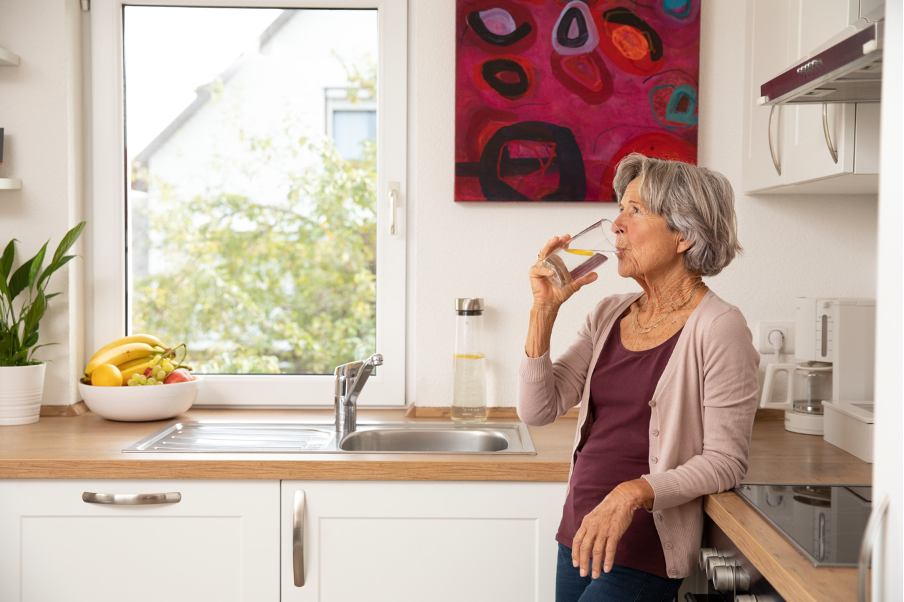
Staying properly hydrated is important, although limiting caffeine and adjusting when you drink may help manage symptoms.
Psychological Disorders & Incontinence: What’s the Link?
Psychological disorders, also known as mental health conditions, can affect how you think, feel, and behave. The disorders are also more common than many people realise. According to the NHS England Adult Psychiatric Morbidity Survey 2023/24, 22.6% of adults aged 16-64 in England are living with common mental health conditions.
Emotional responses like fear and anxiety are normal but they become a concern if:
They continue after the stressful situation has passed or persists without an obvious trigger
The level feels excessive or difficult to control, even when there is little immediate danger
It causes significant distress or interferes with daily life, including work, social activities, relationships or other routine activities
Worry becomes persistent and overwhelming, occupying much of your thoughts
If you experience persistent fear and anxiety it can affect both your mental and physical wellbeing. Some of the common symptoms may include palpitations, trembling, feeling frozen, dry mouth, sweating, breathlessness and sleep problems. In some cases, such increased levels of anxiety and emotional distress may also contribute to urinary symptoms, including urinary incontinence.
One study by researchers from the University of Bristol and Imperial College London, using data from more than 118,000 women in the UK Biobank, found that depression, anxiety and higher levels of neuroticism were associated with an increased risk of developing urinary incontinence.
People living with incontinence often display what can be described as a “depressive tendency”. This does not necessarily mean that one is clinically depressed (with symptoms such as apathy or feelings of worthlessness). They may experience a degree of psychological vulnerability.
They may generally lack self-confidence and have a negative or altered perception of their own body. In some cases, this may be accompanied by reduced sensitivity or control of the pelvic floor.
According to some studies, this underlying vulnerability may have two consequences: psychologically, it can contribute to the development of depression; physically, it may contribute to urine leakage occurring without the brain consciously initiating it.
The death of a loved one, relationship difficulties, or personal issues like prolonged loss of income can increase vulnerability for mental illness. This could lead to feelings of abandonment and low self-esteem or rather, one might feel that their sense of self-worth has been undermined.
Such experiences can also lead to deep discouragement. There is also that feeling of being powerless to control their own lives, which may, in some cases, be associated with a loss of bladder control and incontinence problems.
Chronic stress and anxiety can contribute to psychological urinary symptoms in some people. You may initially experience a frequent need to urinate. Even the slightest sensation of bladder fullness can become noticeable, and as soon as the bladder begins to fill, the urge may feel unbearable.
The bladder may contract more frequently and urgently than normal during the day and, sometimes, at night, even when it is not full. You might experience nocturia (waking during the night to urinate), increased frequency of urination (more than eight times a day), sudden urges to urinate and urinary leakage
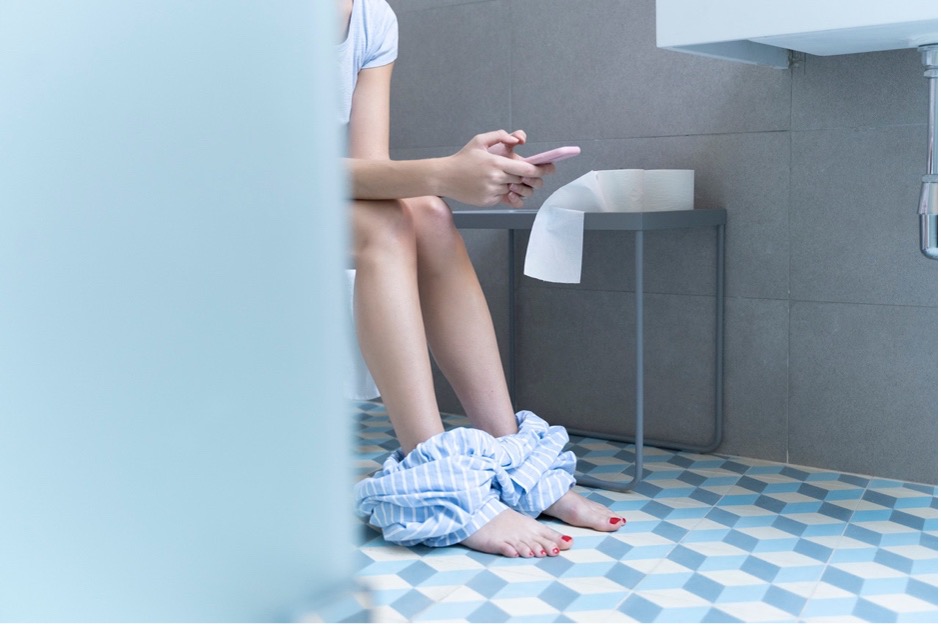
Some people experience an overwhelming urge to urinate when they encounter a familiar environmental cue associated with going to the toilet. A classic example is you arrive home, put the key in the door, and suddenly feel an overwhelming urge to urinate. Before you can reach the bathroom, you leak urine!
This is known as the “Key-in-the-Lock Syndrome” phenomenon which is associated with overactive bladder (OAB) and urinary incontinence. Normally, the bladder fills gradually and the brain receives signals telling you that you need to urinate. You can usually suppress the urge long enough to reach a toilet.
The bladder can contract involuntarily, producing a sudden and powerful urge to urinate. The brain anticipates the moment when the bladder can be emptied and triggers a bladder contraction when the same situation occurs.
If the sphincter muscles are not strong enough, urine leakage can result.
Most of us have experienced something similar: just minutes before important events like a job interview, a first date, the start of a long journey, or the beginning of a marathon, a sudden, overwhelming urge to urinate pops up. This can be immediate and seemingly impossible to control!
The reaction is a normal symptom of stress. When you experience anxiety, your muscles can tense up, particularly around the abdominal area. This can put pressure on the bladder and create the sensation that you need to urinate, even when the bladder is almost empty.
Urinary leakage associated with psychological factors can be managed with healthy lifestyle habits and practical strategies:
To reduce the risk as much as possible, it is advisable to stay hydrated but limit your intake of stimulants like coffee and tea. Some studies have shown that the caffeine in these drinks can lead to stress and sleep deprivation.
If you tend to reduce your fluid intake because you are worried about leakage, try instead to drink at appropriate times. While it may be helpful to avoid drinking large amounts in the hours before an important appointment or before going to bed, make sure you stay well hydrated during the rest of the day.
The less you drink, the more concentrated and potentially irritating your urine can become. This may encourage the bladder to contract. Whenever possible, it can also help to arrive slightly early for appointments. This gives you time to locate nearby toilets plus it helps you feel reassured. It can also make it easier to manage your stress.

Remember that it is possible to learn how to manage stress. Relaxation techniques, sophrology and hypnotherapy may help promote relaxation and manage stress, while gentle exercise such as walking or swimming can also support emotional well-being.
Yoga is another good way to promote relaxation and manage stress. It is a combination of postures and breathing exercises that can help strengthen muscles, including the pelvic floor. It can also release physical and nervous tension. This can come in handy if you are experiencing stress-related urinary symptoms and incontinence.
The right protection against urine leaks can also provide peace of mind and help you feel more confident in your daily activities as you work on managing urinary leakage associated with stress, anxiety or other psychological factors.
MoliCare® has a wide range of male incontinence products and female incontinence products designed to provide comfort and protection according to the level of leakage you experience.
Depending on the frequency and severity of the leaks, you may consider:
Incontinence pads for light to moderate, occasional leaks
Washable and absorbent underwear for lighter leakage and reusable protection
Incontinence pants for more frequent or unpredictable leaks and added security
Large incontinence pads when greater absorbency is needed
Incontinence bed sheets if you also experience leakage at night
You can explore our complete range of incontinence products designed to provide comfort, discretion and reliable protection for different levels of leakage.