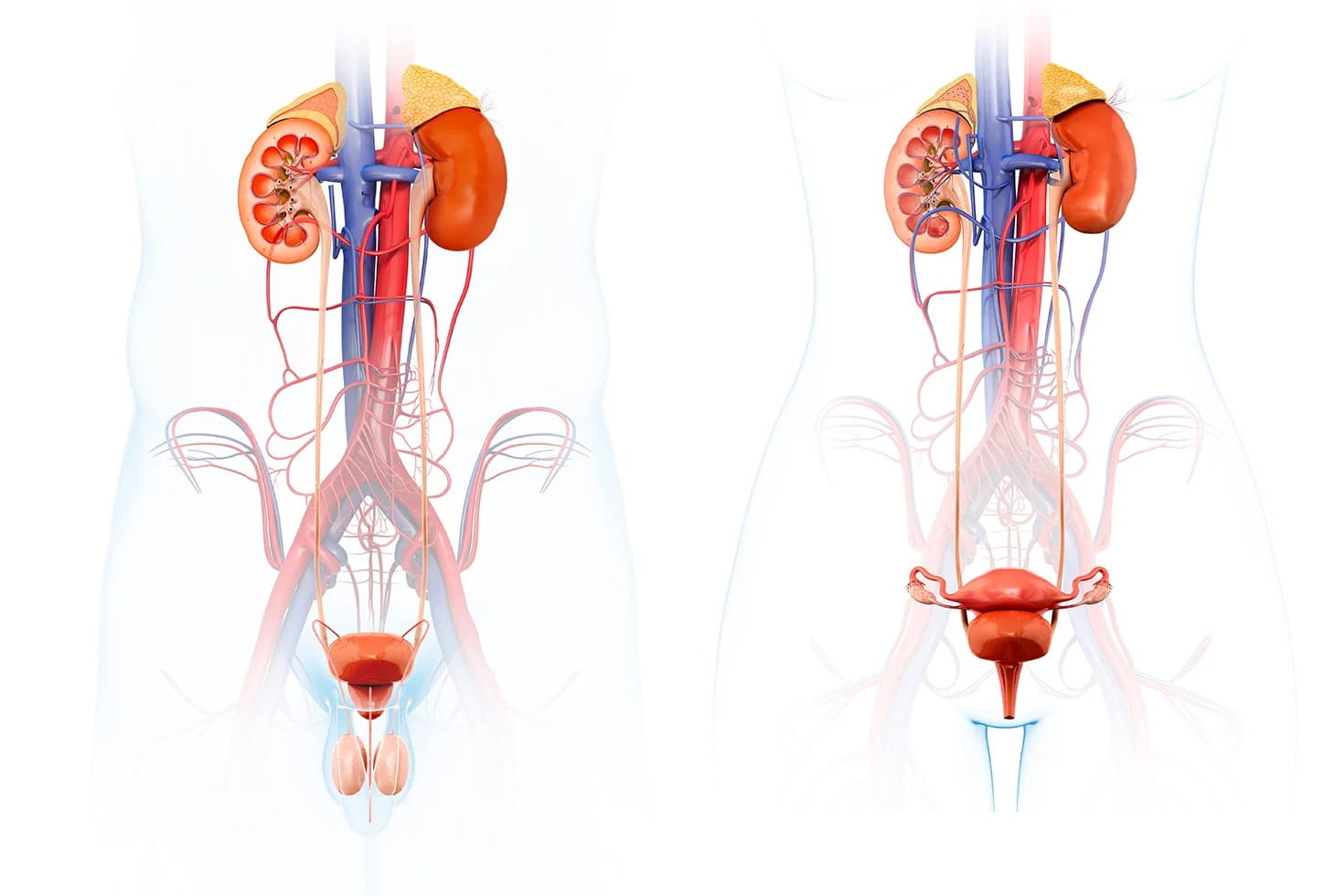
How does the urinary system work
Incontinence Advice

In Ihrem Warenkorb:
Es befinden sich noch keine Artikel in Ihrem Warenkorb.
Quantity: ZULETZT HINZUGEFÜGTE ARTIKEL Artikel gesamt: Summe: Zum WarenkorbWe help you
In our FAQ you will find answers to the most frequently asked questions. Here you can also find out the easiest way to contact us.
Customer serviceIncontinence Advice
Are you wondering how to prevent urinary leakage? It’s actually never too early or too late to take up a few simple, effective habits that can help maintain or restore the health of your urinary system. There isn’t a one-size fits all solution for everyone albeit getting to the bottom of what can trigger or worsen urinary leakage is the first key step towards managing it.
Let’s take a look at some of the habits and solutions that can support better bladder control and help you feel more confident day to day.

Small daily changes can help support better bladder control.
Staying active and maintaining a healthy weight can support bladder health.
Pelvic floor exercises can help strengthen the muscles that control urination.
Healthy drinking, eating and toilet habits can help reduce the risk of urinary leakage.
A range of absorbent products can provide discreet, reliable support when managing urinary leakage throughout the day.
10 Habits to Adopt to Prevent Urinary Leakage
The less water you drink, the more concentrated your urine will tend to be. The problem is that this can irritate your bladder given that your brain will trigger repeated bladder contractions to help empty it.
The other ripple effect is that chronic dehydration can contribute to constipation which makes urinary incontinence worse!
You can read our guide to how the urinary system works to understand more about how your bladder works and how the urinary system controls urination.
It is best to try to spread out your water intake (target around 1.5 litres) throughout the day. That said, you should ideally avoid drinking for at least two hours before going to bed.
Why? You may be forced to wake up during the night needing to urinate. This will have a bearing on the quality of your sleep as it also prevents you from getting the rest you need.
Did you know that some foods and drinks can irritate the bladder? Talk of the likes of coffee, tea, fizzy drinks, alcohol, spicy foods and citrus fruits, just to mention but a few. They are among those that may worsen bladder symptoms. You should also cut back on low-calorie, processed products containing high levels of sweeteners.

For more guidance on this, take a look at the Bladder Health UK Bladder-Friendly Diet Guide. It has a nice overview of foods and drinks that may be better tolerated and those that can irritate your bladder.
It is also recommended to avoid diuretic drinks, such as certain herbal teas, beer and alcohol in general.
Why? Alcohol can irritate the bladder lining. This can lead to overactive bladder, while also increasing the risk of losing control of urination.
Have you ever noticed a small leak when you cough, sneeze or laugh? This is usually a sign of what’s usually known as stress urinary incontinence. Smoking is one of the main causes of chronic obstructive pulmonary disease (COPD), a condition that can lead to a persistent cough.
If you smoke, it is high time to consider giving up cigarettes. Vaping is not risk-free either. E-cigarette vapour can irritate the airways causing persistent coughing.
Why? In general, you’ll want to avoid any repeated or prolonged coughing that puts extra strain on pelvic floor muscles. Over time, this weakens the pelvic floor - something that makes it harder to keep the urethra closed when pressure increases.
Think of the pelvic floor as a group of muscles that forms a supportive “hammock” at the base of your pelvis. They are the muscles that help support your bladder and other pelvic organs, whilst also helping control when urine is released.
You can tone the pelvic floor with simple pelvic floor exercises, including biofeedback, electrical stimulation and Kegel exercises. These exercises aren’t just for women!
Read our guide to Kegel exercises for men for practical advice on finding and exercising the right muscles.
Not sure you’re doing them correctly? You can speak to a pelvic floor physiotherapist or qualified healthcare professional to help you get this right.
Why? Regular pelvic floor exercises can boost muscle strength. This will give you better control over the opening and closing of your bladder. It will help to reduce the discomfort and inconvenience caused by urinary leakage.
Staying physically active you strengthen your pelvic floor or even shed off some weight if you are overweight. You don’t need to do intense workouts, though. It could be as simple as taking a walk every day. This can help you maintain healthy weight and strengthen the muscles around your core. You can also use some gentle yoga and pilates to improve core strength, flexibility and body awareness.
Avoid strenuous or high-impact activities that put extra pressure on your pelvic floor.
Why? High-impact or intensive sports such as cycling, horse riding and jogging adds increased pressure inside the abdomen, which may contribute to urinary leakage.
It is advisable to go for a kind of diet that makes bowel movements easier to relieve any pressure on your bladder. This is where a fibre-rich diet, including whole grains, fruit and vegetables, comes in handy.
You should also keep an eye on constipating medications, such as some antidepressants, antacids and iron supplements. Avoid relying on laxatives too often as well. They should not be your first choice for long-term constipation
It's also vital that you go to the toilet as soon as you feel the need, keeping in mind that regularly holding it in can contribute to a cycle of constipation.
Why? Keeping your bowels moving regularly is important as constipation can weaken the pelvic floor muscles. This can affect the bladder sphincter's ability to close properly. Over time, chronic constipation can also lead to pelvic organ prolapse in women.
You may end up making the problem worse if you tend to feel anxious or find yourself constantly worrying about urinary leakage.
So, find ways to relax and release tension; perhaps through an activity you enjoy or simple relaxation techniques. Remember, you're not alone. It is estimated that 14 million men, women, young people and children of all ages are living with bladder problems in the UK.
Why? When you're worried or anxious, your muscles can tense up, including those around your abdomen. This can put pressure on your bladder and create the urge to urinate, even when your bladder is almost empty.
There is a wide range of absorbent products available that can help you manage urinary leakage, whether you're heading to work, going for a walk, travelling, exercising or simply getting on with your day. For lighter leaks, a discreet shaped pad may be all you need, while pull-up pants or all-in-one briefs can get you greater protection when leakage is heavier. They can also help in case you're worried about leaks when you're out for longer.
Not sure where to start? Take a look at our MoliCare® range to explore the different options available for men and women and find the protection that works for you.
| Category | Product | Best For |
|---|---|---|
| For Men | MoliCare® Premium MEN Pad | Light-to-moderate leaks; fits inside regular underwear. |
| For Men | MoliCare® MEN Pants | Active men who want protection that looks and feels like everyday underwear. |
| For Women | MoliCare® Lady Pad | Discreet daily protection for light-to-moderate leaks. |
| For Women | MoliCare® Lady Pants | A feminine, low-waist fit that can be worn like regular underwear. |
| Unisex – Higher Needs | MoliCare® Premium Mobile | Adults who are independent and need moderate-to-heavy protection. |
| Unisex – Higher Needs | MoliCare® Premium Elastic | Severe incontinence, overnight use or people with limited mobility. |
Why? Discreet and comfortable, urinary protection products will help you get back to enjoying everyday life with a greater peace of mind. They can definitely ease some of the anxiety that can come with worrying about leaks.
Whenever you need to urinate, don't hold it in for too long. Your bladder should be emptied gently, without putting unnecessary pressure on the pelvic floor.
But, avoid “just in case” urination, which can encourage you to strain your pelvic floor.
Why? Regularly holding your urine for more than 15 minutes tends to encourage bacteria on the bladder walls to multiply. This increases the risk of developing urinary tract infections.
It is also good to avoid any clothing that puts pressure on your abdomen. Something like underwear with tight elastic can exert pressure on your bladder. It is best to choose clothes that are easy to take off when you need to use the toilet.
Why? Comfortable, practical clothing will help you maintain your dignity and peace of mind in everyday situations. You won’t have to constantly worry about urinary leaks
These 10 simple habits can't guarantee that you will avoid urinary leakage altogether, but they will certainly make a meaningful difference. Making a few changes to your daily routine can help you reduce the risk of urinary leakage and support better bladder control.
In case leaks do happen, you don't have to let them get in the way of your day. You can explore our range of MoliCare® products to find the protection that suits your needs and helps you get on with your day with greater confidence.
It depends on what is causing the urine leakage. In general, strengthening the pelvic floor muscles with regular pelvic floor exercises can help improve bladder control. You can also make a few simple changes to your everyday routine that may help you manage urinary leakage and support better bladder health.
This could be as simple as looking after your weight, keeping your bowels regular and paying attention to how much you drink and which foods and drinks seem to trigger your symptoms.
Yes. Pelvic floor exercises, including Kegel exercises, can help strengthen the muscles that support the bladder and control urination. They are particularly useful for stress incontinence , where urine leaks when you cough, sneeze, laugh or exercise.
There are simple things you can do at home that may help you manage urinary leakage and improve bladder control. Paying attention to your everyday habits, such as what you eat and drink, how you manage stress and how regularly you exercise your pelvic floor, can make a difference.
You may also find that making small changes, such as drinking enough water or cutting back on caffeine and alcohol, helps reduce your symptoms.
For some people, urinary incontinence can be treated successfully or improve significantly. The good news is that there are different ways to improve bladder control.
So, if you're experiencing urinary leakage, you don't simply have to put up with it. Speaking to a healthcare professional can help you understand what's causing it and find the right way to manage or treat it.

.jpg?rev=732c4f8c70884d3cb5f50898071357c8&sc_lang=en-gb&hash=ACDD723DDF00EEC9D6AAC5AF81EF73FE)