Womens Incontinence Support
Home

In Ihrem Warenkorb:
Es befinden sich noch keine Artikel in Ihrem Warenkorb.
Quantity: ZULETZT HINZUGEFÜGTE ARTIKEL Artikel gesamt: Summe: Zum WarenkorbWe help you
In our FAQ you will find answers to the most frequently asked questions. Here you can also find out the easiest way to contact us.
Customer serviceIncontinence Advice
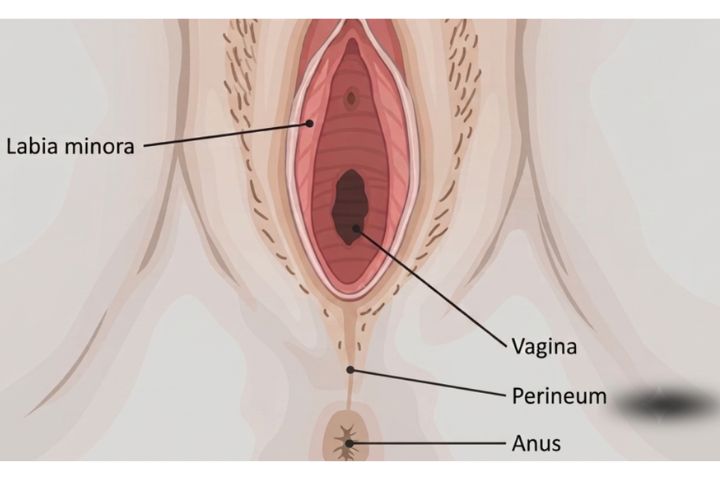
The female perineum is the area of tissue located between the vaginal opening and the anus. It plays a vital role in a woman's body by supporting the uterus, bladder, and rectum plus it contributes to sexual pleasure.
You may also have heard it mentioned in the realm of pelvic floor health, as keeping the pelvic floor muscles strong can help improve urinary continence.
Let's take a closer look at this important part of the female anatomy.
.jpg?rev=b37874aae17541a09558592e76099a85&sc_lang=en-gb&la=en-GB&h=700&w=600&hash=8B1F5E6D6E25F01F095457D9C7482001)
The female perineum is a group of soft tissues, muscles, and connective fibres that close the lower part of the pelvis.
It plays a vital role by supporting the uterus, bladder, and rectum. It thus helps to maintain both urinary and bowel continence. It also keeps these organs in their proper position, reducing the risk of pelvic organ prolapse.
The female perineum also has an important function in sexual health given that it has many sensitive nerve endings that can contribute to sexual pleasure (what’s often known as an erogenous area). It also allows the voluntary contraction of the vaginal muscles which contributes to the muscular phase of orgasm.
What Is the Female Perineum? | Anatomy & Pelvic Health
The female perineum is located at the bottom of the pelvis.
Its anatomy is often described as diamond-shaped. The upper triangular section includes the vagina and urethra, while the lower triangular section surrounds the anus.
You can simply think of the perineum as the area of the body that rests on a bicycle saddle when you're cycling.
Like every other part of the body, the perineum can also be affected by various medical conditions. The most common problems affecting the perineum include injuries particularly during vaginal childbirth, as well as inflammation and infections.
In such situations it might become swollen and painful. The symptoms can sometimes be accompanied by pain during sexual intercourse.
Treatment for perineal problems depends on the underlying cause albeit most conditions affecting this area can be improved with pelvic floor exercises, commonly known as Kegel exercises.
These exercises involve repeatedly contracting and relaxing the pelvic floor muscles. The controlled muscle contractions help increase blood flow to the pelvic region while strengthening the muscles.
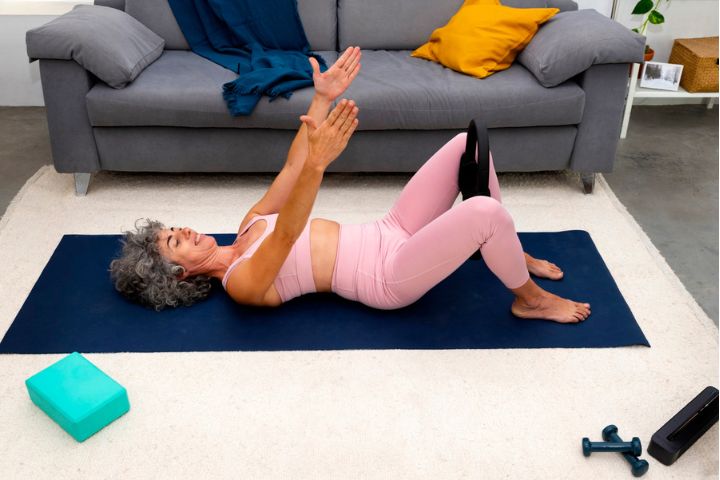
Pelvic floor exercises are recommended to help prevent and treat urinary and faecal incontinence. They tend to reduce the risk of rectal, vaginal, and bladder prolapse. They can also relieve pain and swelling in the perineal area, including discomfort experienced during sexual intercourse.
If you’d like to start strengthening these muscles, our guide explains how to perform pelvic floor exercises correctly, with simple exercises you can practise at home.
To help prevent and manage problems affecting the perineum, it's important to adopt a few healthy habits. These lifestyle habits and tweaks combined with pelvic floor rehabilitation can make a significant difference:
Maintain a healthy body weight. Excess weight can place additional pressure on the perineum and can weaken the pelvic floor.
Avoid lifting heavy objects. This increases pressure inside the abdominal cavity.
Avoid smoking or vaping.
Drink at least two litres of water each day.
Eat a fibre-rich diet to help prevent constipation, which can place repeated strain on the perineum over time.
The right incontinence pads can provide effective protection against light bladder leaks caused by a weakened pelvic floor.
Such simple lifestyle habits and pelvic floor exercises can help strengthen the perineum and improve bladder control. However, if bladder leaks persist or become more frequent, it's important to seek medical advice.
Early assessment can help identify the cause of your symptoms and determine befitting treatment. Your healthcare provider may recommend bespoke pelvic floor exercises, physiotherapy, lifestyle changes, medication, or other treatments to help improve bladder control. The remedies can be blended with right female urinary incontinence products to help you manage symptoms while improving your long-term pelvic health.